
The saying goes: “With every action there is an equal and opposite reaction.”
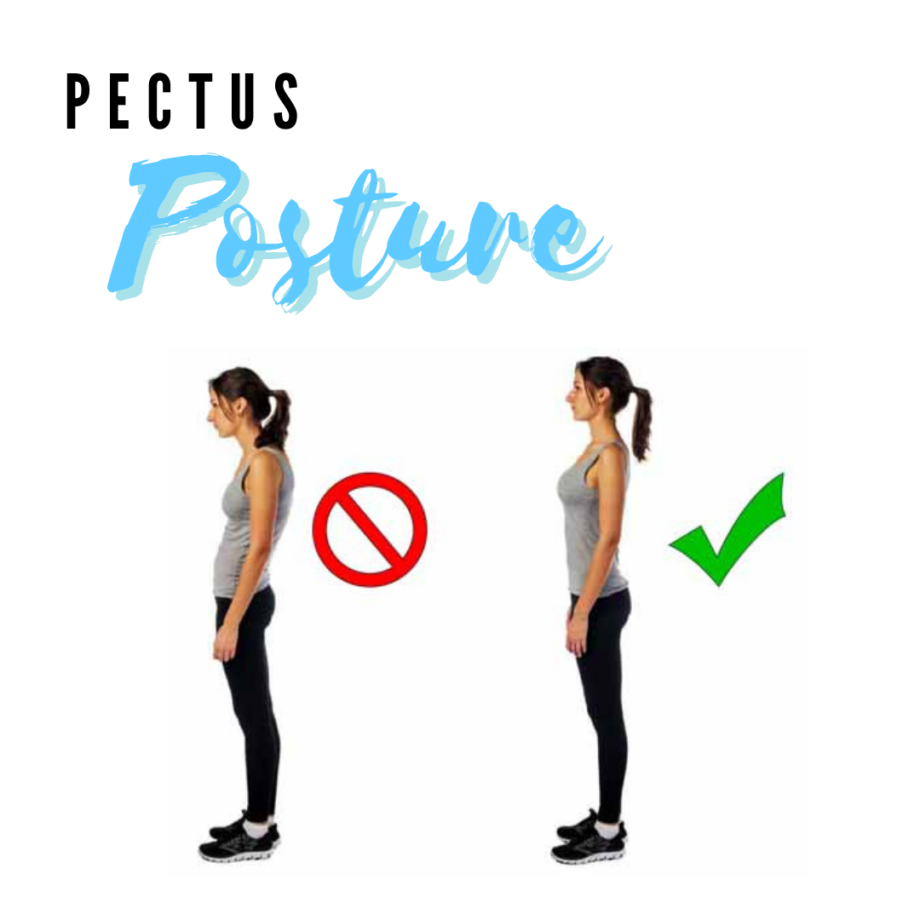
We cannot hold our body in a compromised posture and expect to not experience side effects. There is a ripple effect throughout the entire body that becomes habit forming for the better, or for the worse. This becomes tight, that becomes weak. This becomes long, that becomes short. Here is a side by side comparison of normal posture and Pectus posture.
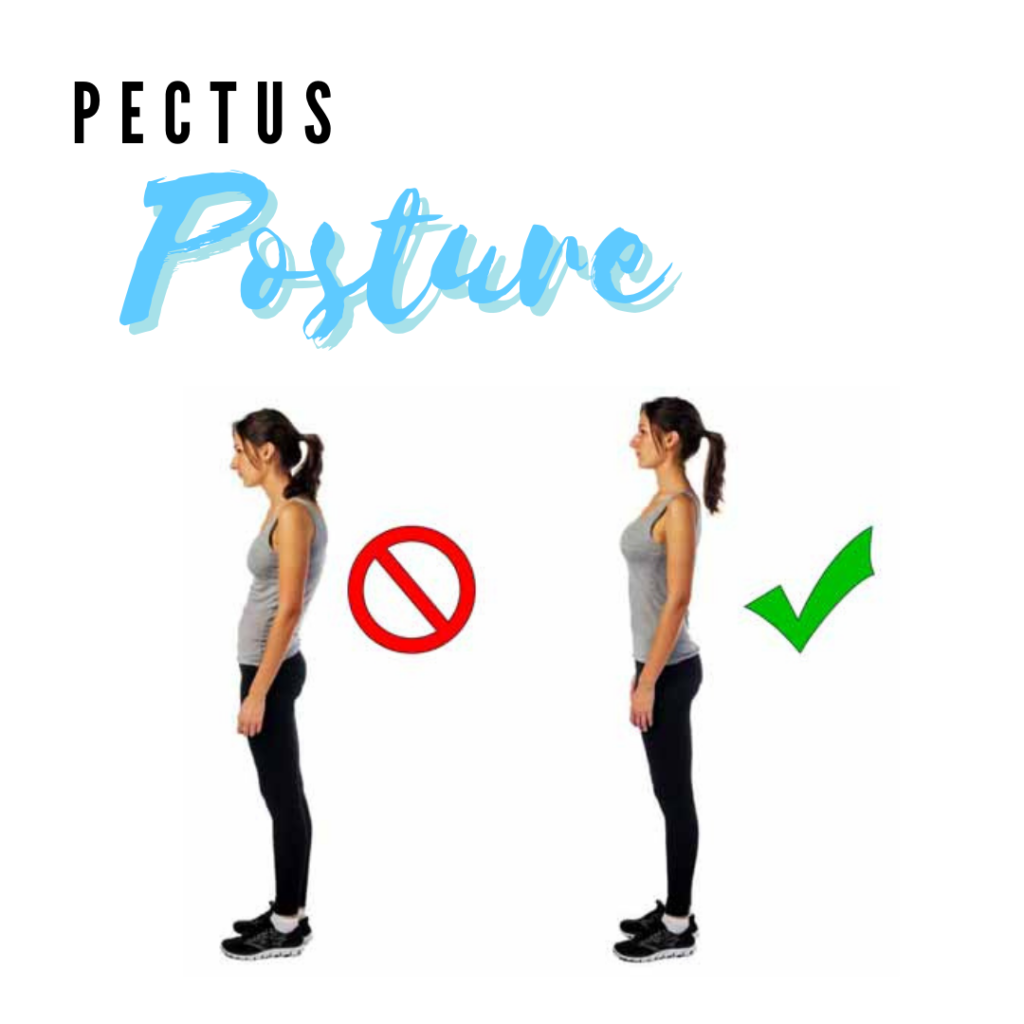
You can see the rounded shoulders, neck tilted forward, formation of a potbelly as well as a concave chest.
Pelvis & Abdomen
A protruding abdomen can appear even if the Pectus patient is not overweight. This is ultimately a result of the curvature in the spine and can appear worse if there is rib flare present. Oftentimes, there will also be an anterior pelvic tilt. Sometimes this can be corrected with muscle toning exercises and physical therapy but sometimes will not be corrected even following surgery.
Spine
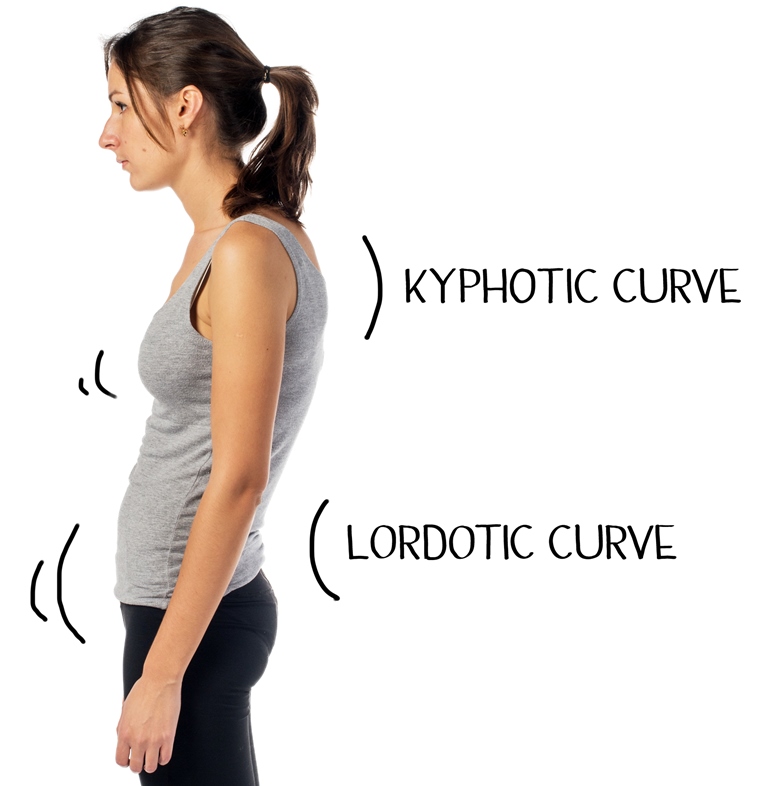
Your spine has natural curves that form an “S” shape. Viewed from the side, the cervical spine (neck) and lumbar (low back) have a lordotic curve (inward) and the thoracic spine has a kyphotic (outward) curve. When Pectus is present, many patients present kyphotic curves where there should be lordotic curves. There is also an excess curvature in the lumbar spine. Scoliosis can also be common but overall most resulting spinal deformities are most noticeable in severe and asymmetric Pectus deformities.
Shoulders
The shoulders can appear to be uneven (particularly in asymmetric cases) and may be caused by the excessive and uneven pressures applied to the rib cage and the tilting of the sternum. Protruding shoulder blades are also sometimes present due to the lateral rotation of the shoulders.
Hi, this is a comment.
To get started with moderating, editing, and deleting comments, please visit the Comments screen in the dashboard.
Commenter avatars come from Gravatar.